
Introduction
The oil and gas industry continues to be one of the most important pillars of the global energy system. It fuels transportation, supports industrial production, and powers economies across both developed and developing regions. Even as renewable energy adoption grows, oil and gas remain essential for meeting current energy demands and ensuring energy security worldwide.
However, the industry is undergoing a major transition. Companies are facing increasing pressure to operate sustainably, adopt advanced technologies, and improve workforce safety. Environmental regulations are tightening, digital tools are rapidly changing how operations are managed, and public attention on worker welfare has never been stronger. In this evolving landscape, safety is no longer just a regulatory requirement—it is a strategic priority that directly impacts operational efficiency, reputation, and long-term success.
Current Oil & Gas Trends
Digital Transformation in Exploration and Drilling
Digital transformation is reshaping oil and gas operations from exploration to production. Technologies such as artificial intelligence, machine learning, cloud computing, and real-time data analytics are improving how companies locate reserves, plan drilling activities, and monitor equipment performance.
Smart sensors and predictive maintenance systems help detect potential failures before they occur, reducing downtime and preventing dangerous incidents. Digital twins allow engineers to simulate complex processes, test scenarios, and improve decision-making without exposing workers to physical risks. These innovations not only improve productivity but also create opportunities to embed safety into daily operations.
LNG Demand Growth and Global Supply Chain Shifts
Liquefied Natural Gas (LNG) is playing an increasingly important role in the global energy mix. Many countries view LNG as a cleaner alternative to coal and oil, especially for power generation. As a result, LNG demand is rising, leading to the development of new liquefaction plants, export terminals, and shipping routes.
This growth is changing global supply chains. Oil and gas companies are expanding into new markets, operating in unfamiliar regulatory environments, and managing complex logistics networks. While this creates economic opportunities, it also introduces new safety challenges related to transportation, storage, and handling of cryogenic materials.
ESG and Sustainability Pressures
Environmental, Social, and Governance (ESG) expectations are now central to oil and gas operations. Investors and stakeholders closely monitor how companies manage emissions, protect workers, and engage with communities. Poor safety records can negatively affect ESG scores, access to capital, and public trust.
Sustainability is no longer limited to environmental performance. Worker safety, training, and well-being are core social metrics. Companies that fail to address safety risks face not only regulatory penalties but also reputational damage and workforce instability.
Safety Challenges in Oil & Gas
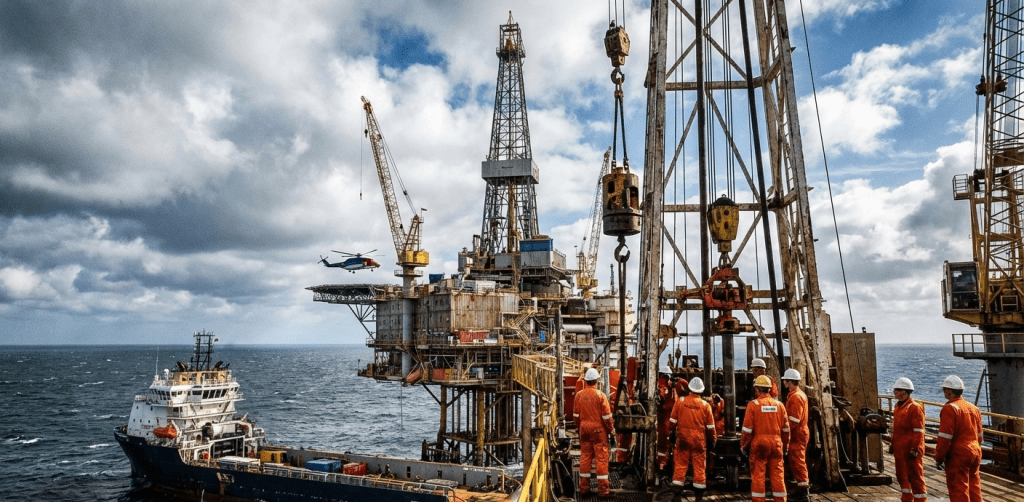
Oil and gas operations are inherently high-risk due to the nature of the materials, equipment, and environments involved. Workers regularly deal with flammable substances, high pressures, extreme temperatures, and heavy machinery.
Common Hazards
Some of the most common safety hazards include fires and explosions caused by gas leaks or equipment failure. Toxic exposure to substances such as hydrogen sulfide can lead to serious health issues or fatalities if not properly managed. Offshore operations introduce additional risks, including harsh weather conditions, confined spaces, and limited access to emergency medical care.
Construction, maintenance, and drilling activities also present risks such as falls from height, struck-by incidents, and equipment-related injuries. These hazards make consistent safety training essential across all roles and locations.
Workforce Impact and Accident Statistics
Industry data shows that accidents in oil and gas often result in severe injuries, long-term health conditions, and fatalities. Beyond the human cost, incidents lead to lost workdays, production delays, legal expenses, and higher insurance costs. Repeated safety failures can lower employee morale and increase turnover, making it harder to retain skilled workers.
The Role of Safety Training
Importance of Structured Training Programs
Structured safety training programs are the foundation of risk reduction in oil and gas operations. Training helps workers recognize hazards, understand safe work procedures, and make informed decisions under pressure. It also ensures compliance with regulatory standards and company policies.
Well-designed programs go beyond basic instruction. They include role-specific training, scenario-based learning, and regular assessments to ensure understanding and accountability.
PPE Usage and Compliance Culture
Personal Protective Equipment (PPE) is a critical line of defense in hazardous environments. However, PPE is only effective when workers understand how and when to use it correctly. Safety training reinforces proper selection, fitting, maintenance, and limitations of PPE.
Training also supports a strong compliance culture, where safety rules are followed consistently, and shortcuts are discouraged. When workers understand the reasons behind safety requirements, they are more likely to take ownership of their own safety and that of their colleagues.
Emergency Response and Preparedness
Emergency situations in oil and gas operations require fast, coordinated responses. Fires, gas leaks, blowouts, and offshore emergencies leave little room for error. Regular emergency drills help workers practice evacuation procedures, communication protocols, and first aid responses.
Preparedness training reduces panic, improves reaction times, and minimizes the impact of incidents. It also builds confidence among workers, knowing they are equipped to handle unexpected situations.
Integrating Safety Training into Industry Trends
Digital Tools Enhancing Training
As operations become more digital, safety training is evolving as well. Virtual Reality (VR), augmented reality, and simulation-based training allow workers to experience realistic hazard scenarios in a controlled environment. These tools improve learning retention and help workers develop critical decision-making skills without exposure to real danger.
Online learning platforms also make training more accessible, especially for remote or offshore teams. Digital tracking systems help companies monitor training completion, identify gaps, and ensure compliance.
Linking ESG Goals with Workforce Safety
Safety training directly supports ESG objectives by improving worker protection and demonstrating social responsibility. Companies that invest in safety education show measurable improvements in incident rates, employee engagement, and regulatory compliance.
A strong safety record enhances a company’s ESG profile, attracting investors and strengthening stakeholder trust. It also supports long-term sustainability by reducing operational disruptions and environmental risks.
Real-World Impact of Training
Many oil and gas companies have successfully reduced incident rates by modernizing their safety training programs. By combining technology, continuous learning, and leadership involvement, these organizations have created safer work environments and more resilient operations.
Practical Steps for Companies
Building a Safety-First Culture
A safety-first culture starts at the leadership level. Management must consistently demonstrate that safety is a priority through actions, not just policies. Open communication, employee involvement, and clear accountability are essential.
Workers should feel empowered to report hazards, stop unsafe work, and participate in safety improvements without fear of retaliation.
Regular Audits and Refresher Training
Safety risks evolve with changing equipment, processes, and regulations. Regular audits help identify new hazards and areas for improvement. Refresher training keeps safety knowledge up to date and reinforces best practices across the workforce.
Training should be continuous and adaptable, addressing both routine operations and emerging risks.
Partnering with Safety Education Platforms
Collaborating with professional safety education platforms like sptii.com allows companies to access structured, industry-relevant training programs. These platforms provide flexible learning options, updated content, and standardized certification, supporting both compliance and workforce development.
Conclusion
The future of the oil and gas industry depends on its ability to balance innovation, sustainability, and safety. As technology advances and ESG expectations rise, protecting the workforce remains a critical responsibility. Effective safety training programs reduce risks, strengthen operations, and build trust with employees and stakeholders.
By investing in modern safety training resources and fostering a strong safety culture, oil and gas companies can operate more responsibly and prepare for a safer, more sustainable future.
❓ Frequently Asked Questions (FAQs)
Why is safety training important in the oil and gas industry?
Safety training reduces risks, prevents accidents, and ensures compliance with industry regulations.
What are the most common hazards in oil and gas operations?
Fire, explosions, toxic exposure, equipment failure, and offshore drilling risks are the most frequent hazards.
How does safety training improve workplace culture in oil and gas companies?
It builds awareness, accountability, and a safety-first mindset among employees.
What role does PPE play in oil and gas safety?
PPE protects workers from physical, chemical, and environmental hazards, making it essential for compliance and safety.
How can companies integrate modern technology into safety training?
Digital tools like VR simulations, predictive monitoring, and online modules enhance training effectiveness and engagement.