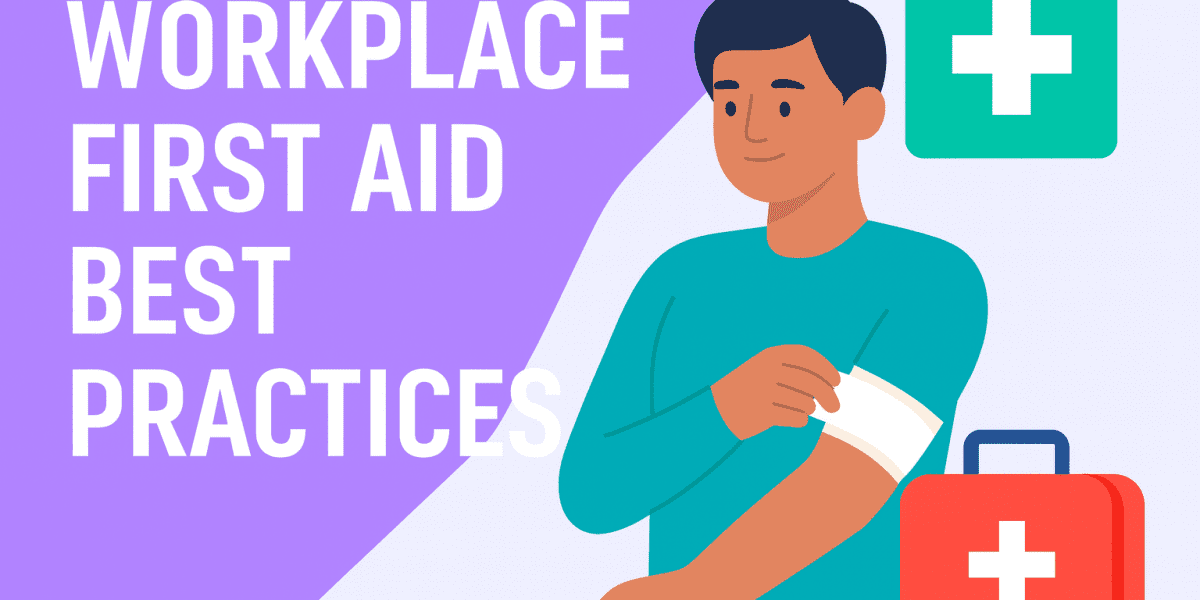
Workplace first aid is a critical part of occupational health and safety that often determines the outcome of medical emergencies. Every year, millions of workers experience injuries or sudden illnesses while on the job, ranging from minor cuts to life-threatening conditions such as cardiac arrest. Having effective first aid measures in place not only saves lives but also reduces injury severity, recovery time, and business disruption. In 2026 and beyond, organizations are expected to take a proactive approach to first aid by combining proper training, planning, and resources to create safer work environments.
First aid in the workplace refers to the immediate care given to an injured or ill person before professional medical help arrives. It includes basic actions such as controlling bleeding, treating burns, performing CPR, or assisting someone who is choking. Employers are generally responsible for ensuring that first aid arrangements are suitable for the type of work being carried out, the level of risk involved, and the number of employees on site. Employees, on the other hand, are expected to follow safety procedures, report incidents, and cooperate during emergencies.
One of the most important reasons workplace first aid matters is the unpredictable nature of medical emergencies. Accidents can happen at any time, even in low-risk environments such as offices. Slips, falls, electrical shocks, allergic reactions, and sudden medical conditions like strokes or heart attacks do not give advance warning. When trained first aiders and proper equipment are readily available, the response time is reduced significantly, which can mean the difference between life and death.
Common workplace medical emergencies vary depending on the industry. In construction and manufacturing, injuries such as fractures, crush injuries, burns, and deep cuts are more frequent due to heavy machinery and physical labor. In offices, warehouses, and retail environments, incidents often include slips, trips, minor cuts, eye strain, fainting, or ergonomic injuries. Across all workplaces, choking, severe allergic reactions, heat stress, and cardiac arrest remain serious risks. Preparing for these scenarios requires understanding the specific hazards present in each work setting.
A well-equipped first aid kit is the foundation of any emergency response plan. At a minimum, workplace first aid kits should include sterile bandages, adhesive dressings, antiseptic wipes, disposable gloves, burn dressings, eye wash, scissors, and CPR face shields. Depending on the nature of the work, additional items such as splints, tourniquets, cold packs, or automated external defibrillators (AEDs) may be required. First aid kits should be clearly labeled, easily accessible, and regularly inspected to ensure contents are complete and within expiry dates.
First aid training is equally important as having the right equipment. Designated first aiders should receive certified training that covers CPR, AED use, bleeding control, shock management, burns, fractures, and handling unconscious casualties. Training should also address how to remain calm under pressure and how to communicate effectively with emergency services. Refresher courses are essential, as first aid skills can fade over time and guidelines may change. Regular training ensures first aiders remain confident and competent in real-life situations.
Emergency response procedures provide structure during chaotic moments. Every workplace should have a clear first aid and emergency response plan that outlines what to do when an incident occurs. This includes identifying first aiders, explaining how to contact emergency services, defining evacuation procedures if needed, and detailing how incidents should be reported. Employees should be familiar with these procedures through inductions, signage, and periodic drills. Clear communication and defined roles help prevent panic and confusion during emergencies.
High-risk work environments require enhanced first aid measures. Construction sites, oil and gas facilities, chemical plants, and manufacturing units face greater injury risks due to hazardous materials, heavy equipment, and extreme conditions. In such settings, additional training such as trauma care, severe bleeding control, and rescue techniques may be necessary. On-site medical rooms, stretchers, and advanced first aid equipment can significantly improve outcomes until professional medical help arrives.
Office and low-risk workplaces should not underestimate the importance of first aid. Medical emergencies such as heart attacks, asthma attacks, or diabetic episodes can occur anywhere. Prolonged sitting and poor ergonomics can lead to musculoskeletal disorders, while stress can contribute to fainting or panic attacks. Office first aid programs should include awareness of common health conditions, ergonomic guidance, and mental health first aid where possible.
First aid also plays a major role in health and safety compliance. Many countries require employers to provide adequate first aid facilities, trained personnel, and clear procedures under occupational health and safety laws. Failure to comply can result in fines, legal action, reputational damage, and increased insurance costs. Beyond legal obligations, effective first aid demonstrates an organization’s commitment to employee wellbeing and duty of care.
Building a first aid–ready workplace goes beyond compliance. It involves creating a culture where safety and preparedness are valued. Regular safety meetings, visible first aid signage, accessible equipment, and open communication encourage employees to take first aid seriously. Near-miss reporting and incident reviews help identify gaps in first aid arrangements and improve future responses. When employees feel supported and protected, overall morale and productivity improve.
Technology is also influencing workplace first aid preparedness. Digital incident reporting systems, emergency alert apps, and AEDs with real-time guidance are making first aid response faster and more effective. Some organizations are integrating wearable devices and health monitoring tools to detect fatigue or medical distress early. While technology cannot replace human response, it enhances decision-making and coordination during emergencies.
Another key aspect of workplace first aid is post-incident care and documentation. After an emergency, proper recording of what happened, the actions taken, and any follow-up required is essential. Incident reports help organizations comply with legal requirements and identify trends that may require preventive action. Supporting injured employees through recovery and return-to-work programs also reflects a responsible and humane approach to workplace safety.
In remote and hybrid work environments, first aid preparedness takes a different form. Employers may not have direct control over home offices, but they can still provide guidance on basic first aid, emergency contacts, and ergonomic safety. Encouraging employees to keep basic first aid supplies at home and educating them on when to seek medical help are practical steps toward extending safety beyond the traditional workplace.
Ultimately, workplace first aid is about readiness, responsibility, and respect for human life. Accidents and medical emergencies cannot always be prevented, but their impact can be minimized with the right preparation. Investing in first aid training, equipment, and planning is not just a regulatory requirement—it is a strategic decision that protects people and strengthens organizations.
In conclusion, effective workplace first aid best practices are essential for managing medical emergencies and maintaining a safe working environment. From understanding workplace risks to training first aiders, maintaining equipment, and fostering a strong safety culture, every element plays a role in saving lives and reducing harm. As workplaces continue to evolve, first aid must remain a core component of occupational health and safety strategies, ensuring that when emergencies occur, help is immediate, effective, and reliable.
Frequently Asked Questions (FAQs)
What is workplace first aid?
Workplace first aid is the immediate care provided to an injured or ill person at work before professional medical help arrives.
How many first aiders should a workplace have?
The number depends on workforce size, workplace hazards, and legal requirements, but at least one trained first aider is recommended.
What should be included in a workplace first aid kit?
Basic items include bandages, antiseptics, gloves, burn dressings, eye wash, scissors, and CPR equipment.
How often should first aid training be refreshed?
Most guidelines recommend refresher training every one to two years.
Is first aid mandatory in all workplaces?
Yes, most occupational health and safety laws require employers to provide appropriate first aid arrangements based on risk level.