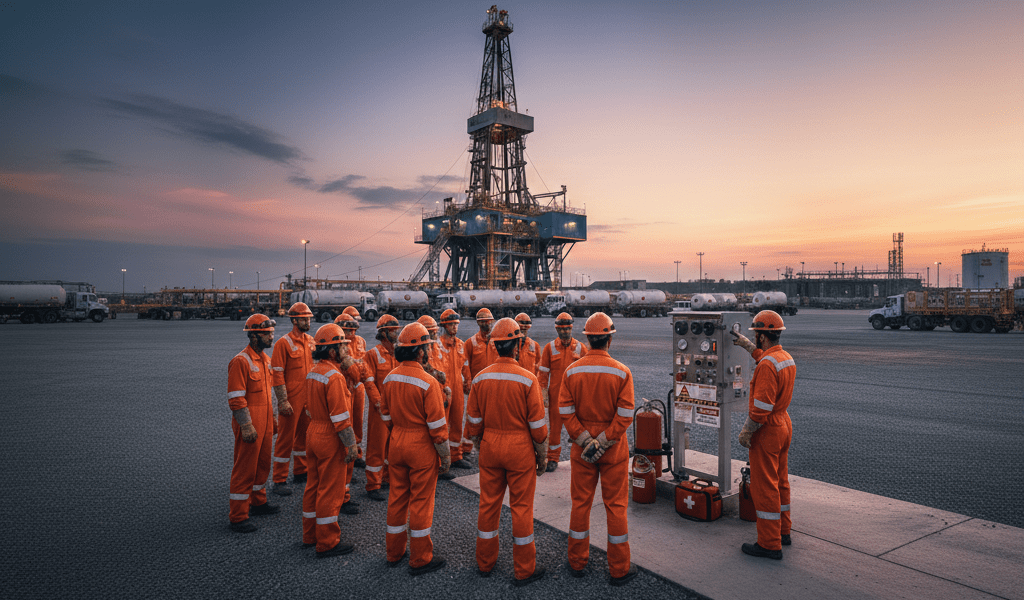
Oil and gas safety courses are essential training programs designed to educate workers about hazards, safety procedures, and risk management in the oil and gas industry. This sector includes exploration, drilling, production, refining, and transportation of highly flammable materials, making proper safety training critical. Completing these programs helps employees adopt safe operational practices, reduce workplace accidents, and minimize downtime.
Safety in this industry is not optional; it is a legal, ethical, and operational requirement. Unsafe practices can result in fires, explosions, environmental pollution, and loss of life. Therefore, many companies require their workforce to complete certified oil and gas safety courses before entering operational sites, ensuring compliance and protection for both personnel and assets.
Why Oil and Gas Safety Training Is Critical
The oil and gas sector is one of the most hazardous industrial environments. Employees work in extreme conditions, with high-pressure systems, toxic gases, and heavy machinery. Without proper training, even routine operations can become life-threatening. Oil and gas safety courses help workers identify risks early and apply preventive measures effectively.
Professional training plays a major role in accident prevention. It promotes safe work behavior, proper use of protective equipment, and emergency preparedness. Workers trained through oil and gas industry courses can respond calmly during incidents, significantly reducing accidents, operational disruptions, and financial losses for organizations.
Types of Oil and Gas Safety Courses
Basic Programs
Basic oil and gas courses are designed for entry-level workers and those new to the industry. They cover general safety awareness, hazard identification, and emergency response procedures. These programs provide a strong foundation, ensuring workers understand essential safety protocols before entering operational environments.
Advanced Programs
Advanced oil & gas courses target experienced employees, supervisors, and engineers. They focus on process safety management, risk assessments, incident investigation, and advanced emergency planning. This level of training equips professionals to make informed decisions in high-risk situations and ensures operational continuity even under challenging conditions.
Specialized Programs
Specialized oil and gas industry courses focus on specific roles or hazards, such as offshore safety, confined space entry, firefighting, and hydrogen sulfide (H2S) awareness. These courses prepare employees to handle the unique challenges associated with their responsibilities, ensuring that they are fully competent in managing risk and protecting themselves and their teams.
Oil and Gas Online Certification Courses
Oil and gas online certification courses have grown in popularity due to their flexibility and convenience. They allow workers to gain critical safety knowledge without attending physical classrooms, making it easier to balance training with work commitments.
Online programs also provide interactive learning, scenario-based exercises, and assessments to ensure employees can apply the knowledge practically. Many of these courses are internationally recognized, allowing certifications to be valid across countries. This is especially beneficial for professionals seeking opportunities in global operations or multinational organizations.
Key Topics Covered in Oil and Gas Courses
Fire and Explosion Safety
Fire and explosion safety is a core component of oil and gas safety courses because of the highly flammable substances handled daily. Employees learn about potential ignition sources, preventive strategies, and the proper use of firefighting equipment. Training also includes emergency evacuation procedures to ensure employees can respond effectively in critical situations, significantly reducing risk and potential damage.
Hazard Identification and Risk Assessment
Workers are taught how to identify hazards before starting a task and assess the associated risks. This allows them to implement control measures that prevent accidents and protect both personnel and equipment. These skills are vital in creating a proactive safety culture across oil and gas operations.
Emergency Response and First Aid
Emergency response and first aid training prepare employees to act quickly and effectively during incidents. The courses cover evacuation plans, first aid techniques, and communication protocols. Proper training minimizes injuries, environmental damage, and operational losses, ensuring teams remain prepared for unexpected situations.
Who Should Enroll in Oil and Gas Industry Courses
Engineers and technicians in drilling, production, and maintenance roles require these courses to perform their duties safely, as they frequently interact with complex machinery and hazardous materials.
Safety officers and supervisors benefit from advanced programs, which strengthen their ability to enforce safety protocols, manage team risks, and maintain compliance with regulations.
New entrants to the industry should complete basic programs to understand operational environments and reduce accidents caused by inexperience. Early exposure to safety practices ensures a strong foundation for long-term professional development.
Benefits of Oil & Gas Courses for Career Growth
Oil & gas courses enhance technical skills and safety knowledge, enabling professionals to make informed decisions in high-risk environments. They also improve confidence, problem-solving abilities, and awareness of operational best practices.
Certification from recognized programs improves employability, as employers prefer candidates who have demonstrated commitment to safety and professional development. These courses can open doors to promotions, specialized roles, and international job opportunities.
Additionally, compliance with industry standards ensures that workers meet legal requirements, reducing organizational liability and promoting a culture of responsibility.
Choosing the Right Oil and Gas Courses
Selecting the right training program requires evaluating accreditation and certification. Programs recognized by international bodies or regulatory authorities carry more credibility and acceptance.
Content relevance and delivery mode are also important. Whether courses are classroom-based or online, they should provide practical, updated material that aligns with real-world operational needs. Choosing the right course ensures participants gain applicable skills that improve both safety and performance on the job.
Certification and Compliance Standards
Many safety courses are designed according to international standards such as ISO and OSHA guidelines. This ensures consistent safety practices across locations and operations.
Certification demonstrates that employees have completed validated training and meet operational safety requirements. It also helps organizations comply with regulations and maintain safety audits, inspections, and legal standards efficiently.
Future Trends in Oil and Gas Safety Training
Digital learning, virtual simulations, and interactive programs are shaping the future of safety training. These tools allow workers to practice handling hazards in a controlled environment, improving understanding and confidence without actual exposure to danger.
Additionally, there is a growing emphasis on sustainability and developing a strong safety culture. Modern programs focus on environmental responsibility, continuous improvement, and shared accountability, ensuring that teams not only follow procedures but embrace safety as a core organizational value.
Conclusion
Oil and gas safety courses are critical to protecting employees, assets, and the environment in a high-risk industry. From basic programs to advanced online certifications, proper training equips professionals to manage risks effectively.
Enrolling in certified programs strengthens compliance, reduces workplace incidents, and enhances career prospects. Professionals gain valuable skills, improved job opportunities, and international recognition, making these courses an essential investment for long-term success.
FAQs
What are oil and gas safety courses?
They are professional programs that teach employees how to identify hazards, implement safe practices, and respond effectively to emergencies in oil and gas operations.
Are oil and gas online certification courses recognized?
Yes, many online programs follow international safety standards and are widely accepted by employers globally.
Who needs oil and gas industry courses?
Engineers, technicians, supervisors, safety officers, and new industry entrants all benefit from these programs.
How long do the courses take?
Programs range from a few hours for basic courses to several weeks for advanced certifications.
Do oil and gas courses improve career prospects?
Absolutely. Certification enhances employability, professional credibility, and long-term career growth opportunities.