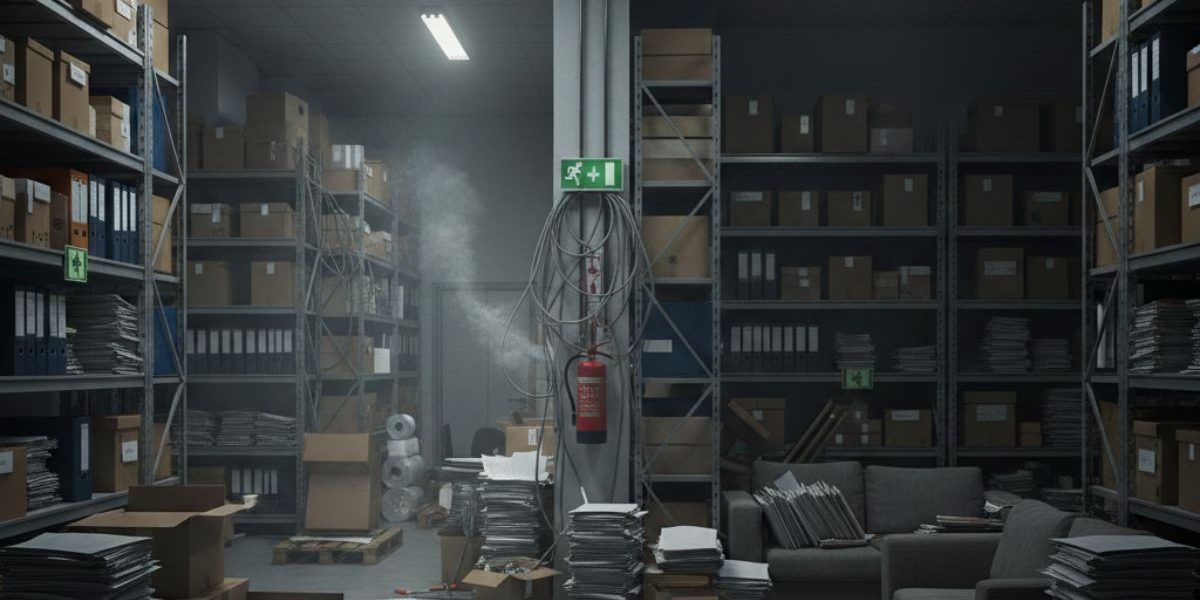
Fire load risks are rarely visible during a casual walk-through—yet they are among the most common reasons fires escalate from manageable incidents into catastrophic losses. What if the greatest threat to your building isn’t faulty wiring or human error—but the everyday materials quietly accumulating around you?
Here’s the uncomfortable truth: most facility owners only discover their exposure after an inspector flags it—or worse, after a fire destroys operations overnight. Miss this now, and you could be overlooking the very factor insurers, auditors, and regulators care about most.
This in-depth guide reveals the hidden dangers, real-world consequences, and proven prevention strategies behind fire load risks—so you can act before it’s too late.
What Fire Load Really Means
At its core, fire load meaning goes far beyond “how much stuff is in a room.” Fire load represents the total potential energy that combustible materials can release during a fire. This includes furniture, packaging, raw materials, stored products, and even interior finishes.
To put it plainly, fire load definition refers to the amount of heat energy produced when all combustible materials in a space burn completely. In professional safety language, fire load refers to the cumulative fire potential that determines how intense and uncontrollable a fire could become.
Why This Matters More Than You Think
A higher fire load:
- Increases flame spread speed
- Raises internal temperatures rapidly
- Overwhelms suppression systems
- Reduces evacuation time
Two buildings can look identical—but one becomes a total loss in minutes. The difference? Fire load.
Why Is Fire Load Important?
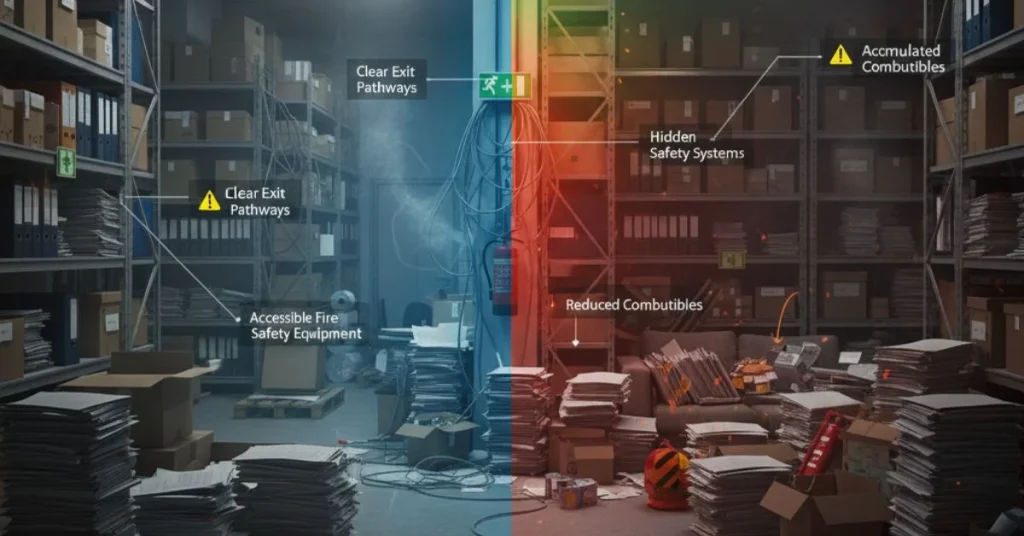
Understanding fire load is not optional—it’s foundational to every fire risk assessment building professionals perform. Fire load directly influences:
- Structural fire resistance requirements
- Sprinkler system design
- Emergency response planning
- Insurance premiums and compliance
Ignoring this factor often leads to under-designed safety systems that simply can’t cope when a real fire starts.
The Hidden Cost of Ignoring Fire Load
- ❌ Failed inspections
- ❌ Business shutdowns
- ❌ Legal penalties
- ❌ Loss of life and assets
Don’t wait for an inspector to point it out—Protect Your Facility—Book Fire Safety Training Now
Areas with the Highest Fire Load Risks
Not all spaces carry equal danger. Certain zones consistently show elevated fire load risks in commercial buildings, often without management realizing it.
High-Risk Zones Include:
- Storage rooms packed with packaging materials
- Server rooms with plastics and cable insulation
- Commercial kitchens with oils and combustibles
- Warehouses storing mixed-use goods
These are often the same areas overlooked during routine audits—until they become ignition points.
Assessing Fire Load in Factories
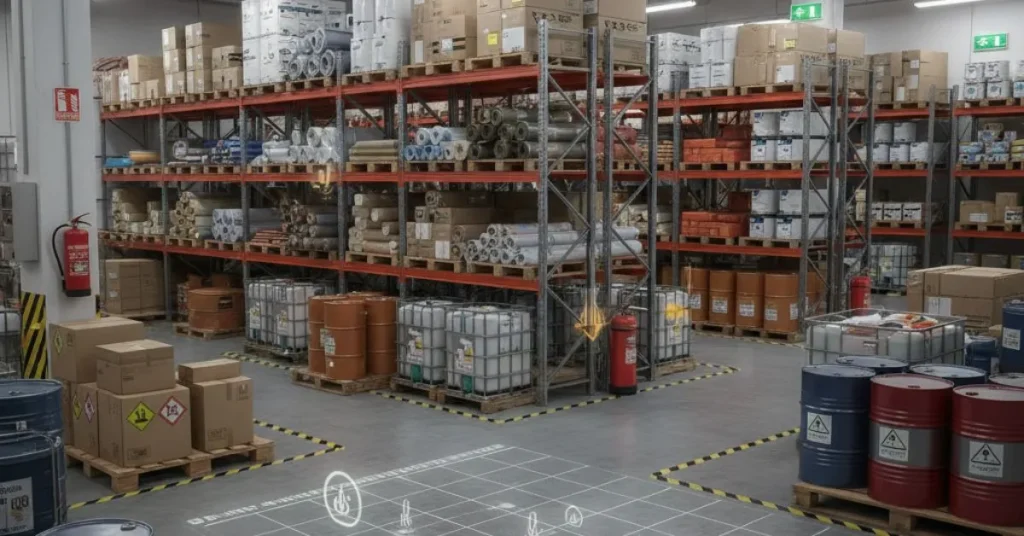
Factories are especially vulnerable due to raw materials, finished goods, and process waste accumulating together. Accurate assessment isn’t guesswork—it’s a structured process.
Step-by-Step Fire Load Assessment
- Identify all combustible materials (solids, liquids, packaging)
- Determine material calorific values
- Calculate total heat potential per area
- Measure fire load density per square meter
This process determines fire load density, which directly impacts evacuation time and firefighting tactics. Proper assessment often reduces insurance costs and prevents production downtime.
Why Fire Load Miscalculations Cause Disasters
Many disasters trace back to fire load calculation risks—especially when outdated inventories or layout changes aren’t updated.
Common Miscalculation Mistakes
- Assuming storage levels never change
- Ignoring combustible packaging
- Misunderstanding fire load unit measurements
- Copying assessments from other facilities
These errors create a false sense of safety—until suppression systems fail under real conditions. One small miscalculation can cost years of business growth overnight.
Fire Safety Training That Reduces Risk
Training isn’t just about compliance—it’s the fastest way to reduce real-world fire load exposure.
Effective Training Empowers Teams To:
- Recognize dangerous accumulation early
- Maintain safe storage limits
- Respond correctly during fire incidents
- Support accurate risk assessments
This is where Fire safety Training plays a critical role—turning employees into active risk reducers instead of passive observers.
Want fewer violations and safer audits? Protect Your Facility—Book Fire Safety Training Now
Why Choose SPTII?
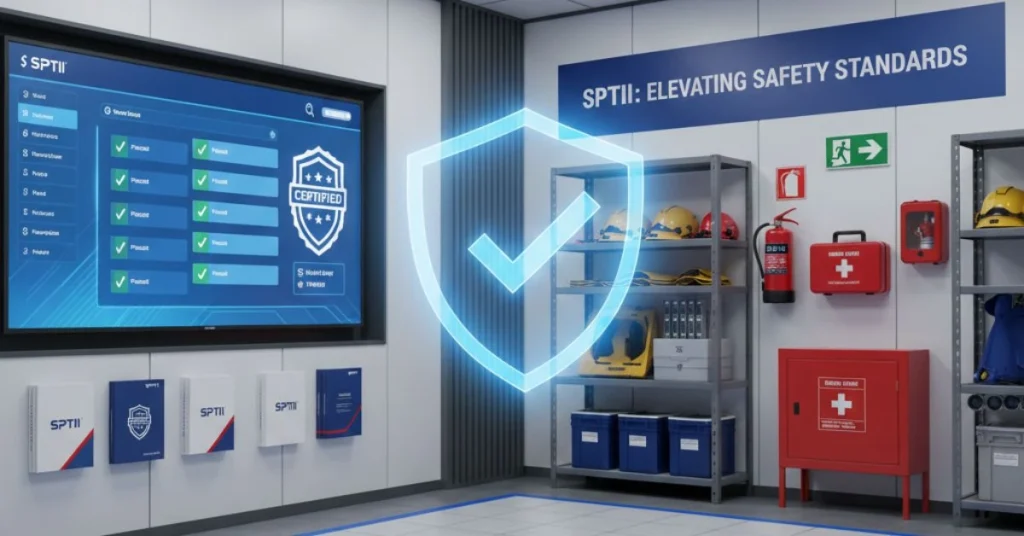
At SPTII, we don’t just teach theory—we focus on practical risk elimination.
What Sets Us Apart:
- Industry-specific fire safety expertise
- Hands-on risk identification training
- Compliance-aligned methodologies
- Proven results across commercial and industrial sites
Explore Our Courses:
These programs work together to create a safer, inspection-ready workplace.
Related Resources You’ll Want to Read
Strengthen your safety strategy by exploring our most-read guides:
- HACCP Mistakes That Could Shut Down Your Kitchen
- Food Contamination Risks You Can’t Afford to Ignore
- Safety Training: A Complete Guide to Building a Safer Workplace
Frequently Asked Questions (FAQs)
What is fire load and why is it dangerous?
Fire load represents the total combustible energy in a space. Higher loads increase fire intensity and reduce escape time.
How often should fire load be reassessed?
Any time storage, layout, or operations change—or at least annually.
Can training really reduce fire load risks?
Yes. Trained staff prevent dangerous accumulation and support accurate assessments.
Are small businesses affected too?
Absolutely. Smaller spaces often reach critical fire load levels faster.
Conclusion: Act Before Fire Load Acts Against You
Fire load risks don’t announce themselves. They build quietly—through daily operations, overlooked storage, and outdated assessments. By understanding what fire load truly means, identifying high-risk zones, and investing in proper training, you protect far more than compliance—you protect lives, assets, and your business future.
Protect Your Facility—Book Fire Safety Training Now